Getting around
Xiamen has an airport, high-speed rail and a clean metro/BRT. The island core is walkable and bikeable; ferries run to car-free Gulangyu from the designated terminals.
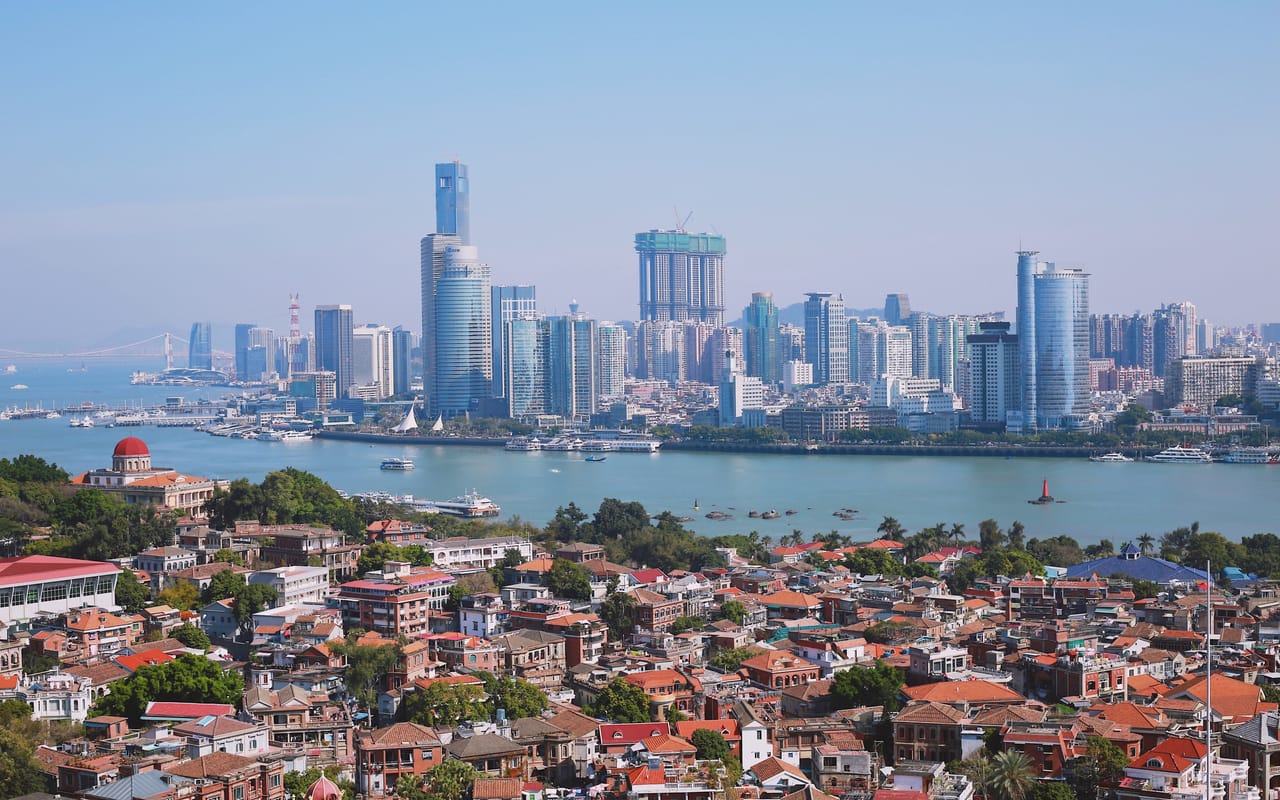
Updated Apr 2026A laid-back coastal city in Fujian, famous for the car-free island of Gulangyu, palm-lined campuses and beaches, and an easy café culture.
Xiamen has an airport, high-speed rail and a clean metro/BRT. The island core is walkable and bikeable; ferries run to car-free Gulangyu from the designated terminals.
Updated Apr 2026Excellent coverage. An eSIM works on arrival; a local SIM is cheapest for a longer stay.
Updated Apr 2026Stay on Gulangyu for romance (book ahead), around Zhongshan Road for the old town, or near Xiamen University and the coast for beaches and cafés.
Updated Apr 2026Min-nan and seafood specialties: oyster omelette, satay (shacha) noodles, sea-worm jelly, and sweet peanut soup. The night markets are excellent.
Updated Apr 2026Relaxed and friendly. On Gulangyu, keep noise down in the quiet lanes — people live there. Tipping isn’t expected.
Updated Apr 2026Very safe. Watch the weather in late summer — Fujian gets typhoons that can disrupt ferries and flights. The sun is strong by the sea.
Updated Apr 2026An island port of merchants and emigrants, Xiamen has always faced out to the sea and the world.
Ming
A fortified port; the loyalist Koxinga uses it to resist the Qing and take Taiwan.
1842
Opened as a treaty port; foreign settlements grow on Gulangyu.
Late 19th c.
A major gateway for overseas-Chinese emigration.
1980
Becomes one of China’s first Special Economic Zones.
Gǔlàngyǔ
A car-free island of colonial mansions, gardens and piano music, a UNESCO site.
Why it matters
A dreamy maze of 19th-century international villas and banyan-shaded lanes — known as “Piano Island” for its musical heritage. No cars, just footpaths.
Good to know
Show to driver: 鼓浪屿
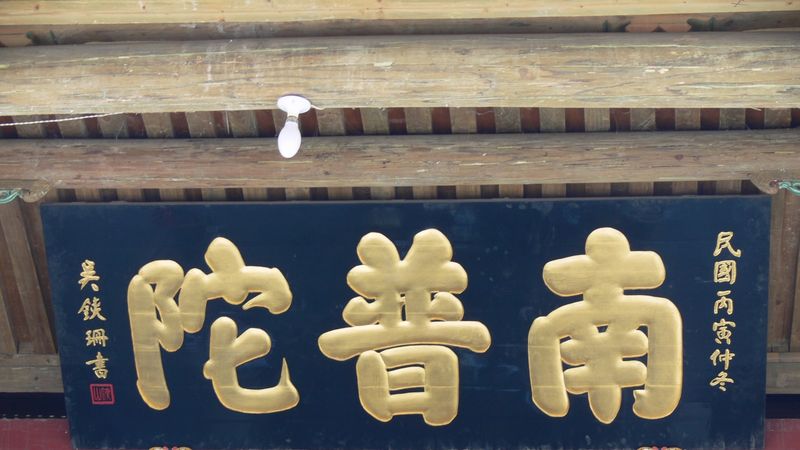
Nánpǔtuó Sì
A thousand-year Buddhist temple set against a hill beside Xiamen University.
Why it matters
A serene, working temple famous for its vegetarian restaurant and the Buddhist college beside it — climb the hill behind for sea views.
Good to know
Show to driver: 南普陀寺
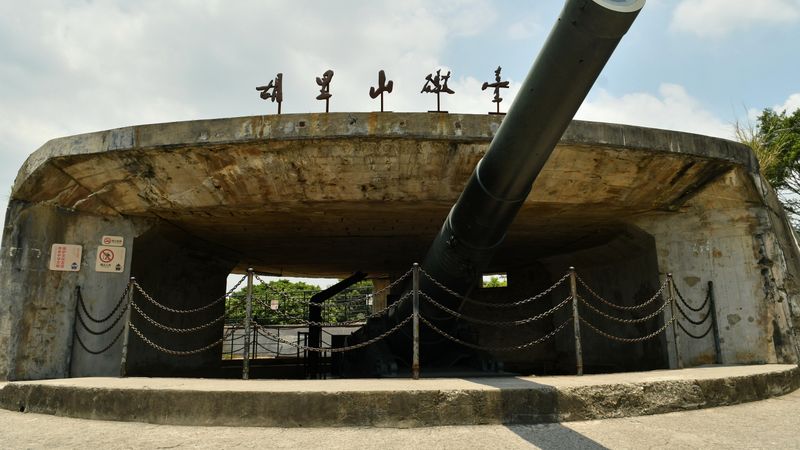
Húlǐshān Pàotái
A late-Qing coastal fort guarding a giant German-made Krupp cannon.
Why it matters
A reminder of Xiamen’s frontline past — the surviving Krupp coastal gun is one of the largest of its era, set on a breezy seafront.
Good to know
Show to driver: 胡里山炮台
Xiàmén Dàxué
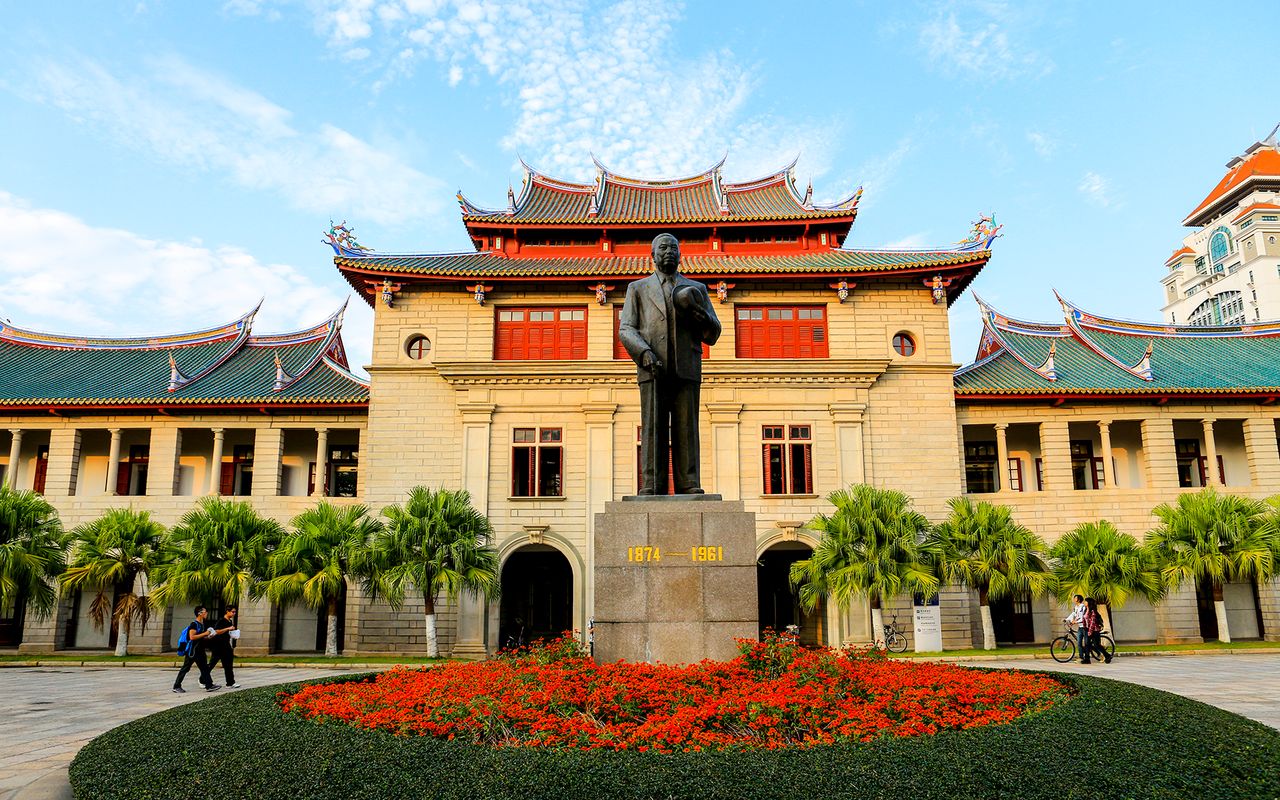
Often called China’s most beautiful campus — seaside, palm-lined and graceful.
Why it matters
Founded by an overseas-Chinese philanthropist, its blend of Min-nan roofs and Western buildings by the beach makes it a sight in itself.
Good to know
Show to driver: 厦门大学
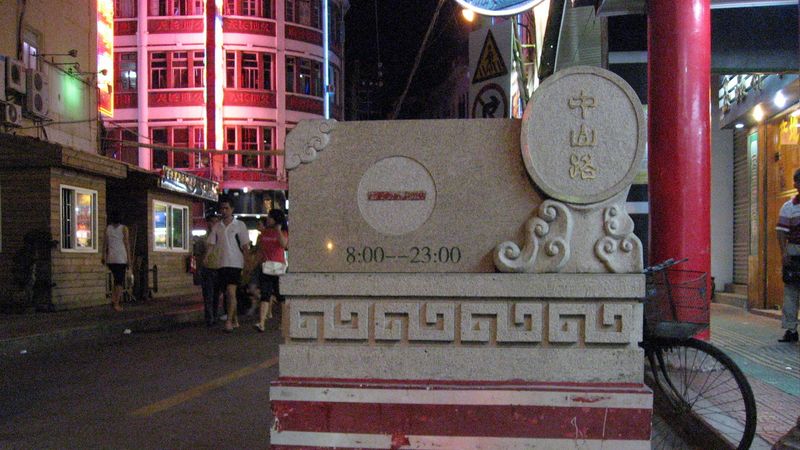
Zhōngshān Lù
A historic seaside shopping street of arcaded “qilou” shophouses and snacks.
Why it matters
The heart of old Xiamen — covered colonnades built by returning overseas Chinese, now full of Min-nan street food and sea views at the end.
Good to know
Show to driver: 中山路
Don't want to go alone? Post on the board and find a travel buddy.
Find a buddyWhat to eat in Xiamen
Hǎilì jiān
Plump oysters fried into a soft, starchy egg pancake with greens and a savory sauce.
💡A Min-nan street classic; eat it hot off the griddle.
Order this: 海蛎煎
Shāchá miàn
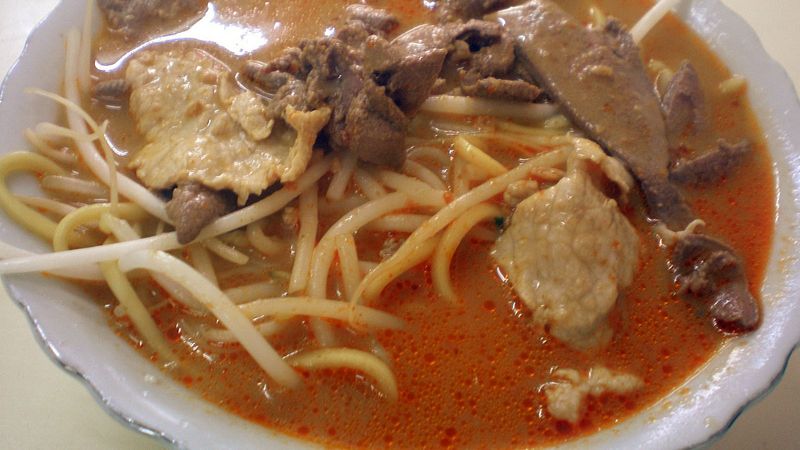
Noodles in a rich, mildly spicy satay-peanut broth, topped with seafood or pork as you choose.
💡Pick your own toppings at the counter; a Xiamen breakfast favorite.
Order this: 沙茶面
Huāshēng tāng
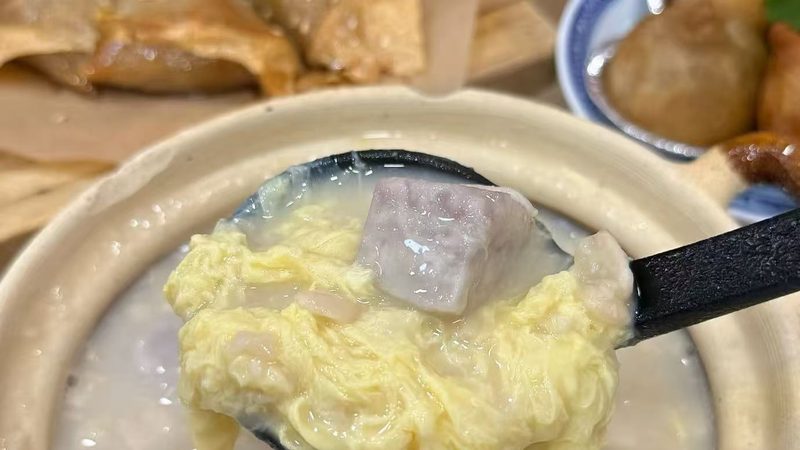
Peanuts simmered until meltingly soft in a light, sweet soup, often with a poached egg.
💡A classic Min-nan dessert-breakfast; comforting any time.
Order this: 花生汤
Top museums in Xiamen
Huáqiáo Bówùyuàn
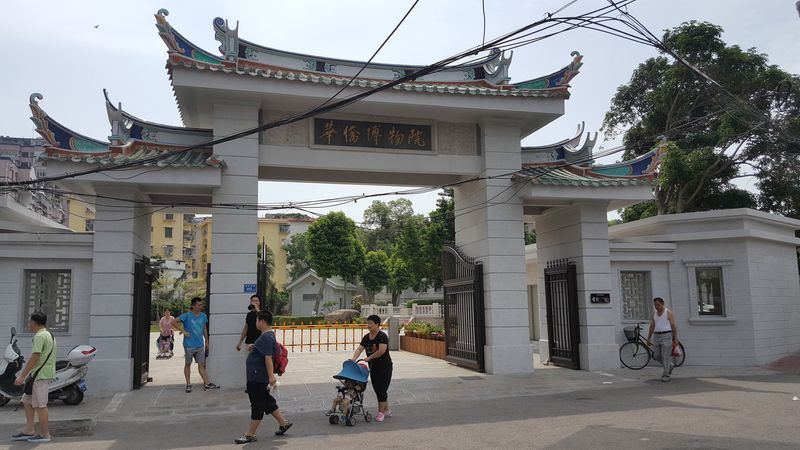
Founded by philanthropist Tan Kah Kee, telling the story of the Chinese diaspora that shaped Fujian and the wider world.
💡Free; a window onto why so many overseas Chinese trace their roots to Fujian.
Search this: 华侨博物院
Ask our AI assistant, or get real tips from a local.