Skip to content
All cities

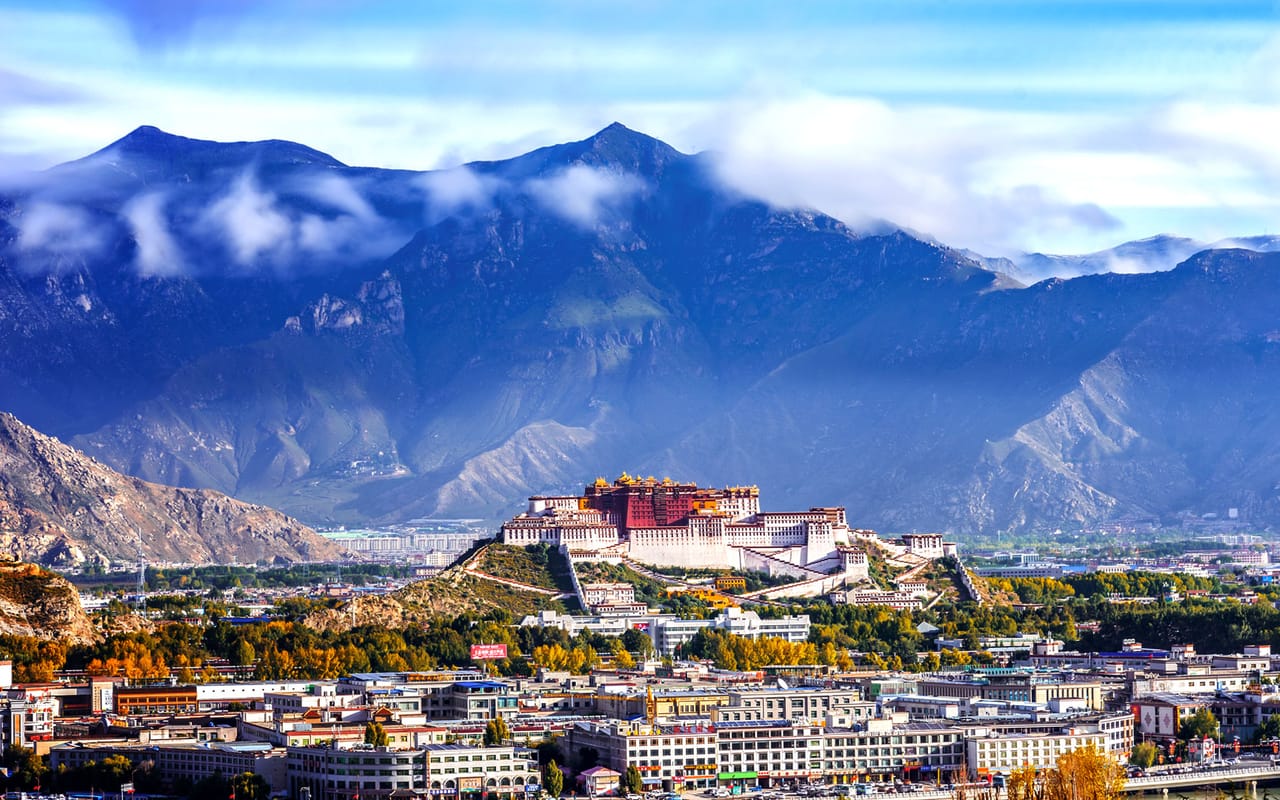
The spiritual heart of Tibet — the towering Potala Palace, pilgrim-thronged temples and thin mountain air. A profound, high-altitude journey unlike anywhere else in China.

⏱️ First 24 hours

  • Arrange a Tibet Travel Permit BEFORE you arrive — foreigners need one, plus a booked tour and guide.
  • Take it very easy on day one — rest and hydrate to acclimatize to the altitude.
  • Set up Alipay or WeChat Pay and a local SIM.
  • Carry your passport and permit; checkpoints will ask for both.

Explore the guide

Getting around

Reach Lhasa by the spectacular Qinghai–Tibet railway or by air. Foreign visitors must travel on an organized tour with a licensed guide and a private vehicle for sights outside the city; independent travel is not permitted.

Updated Apr 2026
Connectivity

Mobile coverage in Lhasa is good; a local SIM works well. Signal drops on remote mountain routes — download offline maps.

Updated Apr 2026

Where to stay

Stay in the old town near the Jokhang and Barkhor for atmosphere, or a modern hotel for comfort. Pick somewhere central for your first acclimatization days.

Updated Apr 2026

Eat & drink

Tibetan staples are yak meat, tsampa (roasted barley flour), momo dumplings, and butter or sweet tea. Eat lightly and drink lots of water while acclimatizing.

Updated Apr 2026

Etiquette

Walk clockwise around temples and stupas, remove hats inside chapels, never touch someone’s head, and always ask before photographing monks or pilgrims.

Updated Apr 2026

Safety

The real challenge is altitude (3,650 m) — rest the first day, avoid alcohol, and see a doctor if you feel very unwell. The city itself is very safe.

Updated Apr 2026

📜 History

Lhasa has been the spiritual and political heart of Tibet for over thirteen centuries.

  1. 7th c.

    King Songtsen Gampo makes it his capital and builds the first Jokhang temple.

  2. 17th c.

    The 5th Dalai Lama raises the Potala Palace; it becomes the seat of Tibetan Buddhism.

  3. Centuries

    A goal of pilgrims from across the Tibetan world.

  4. 2006

    The Qinghai–Tibet railway reaches the city.

Top attractions

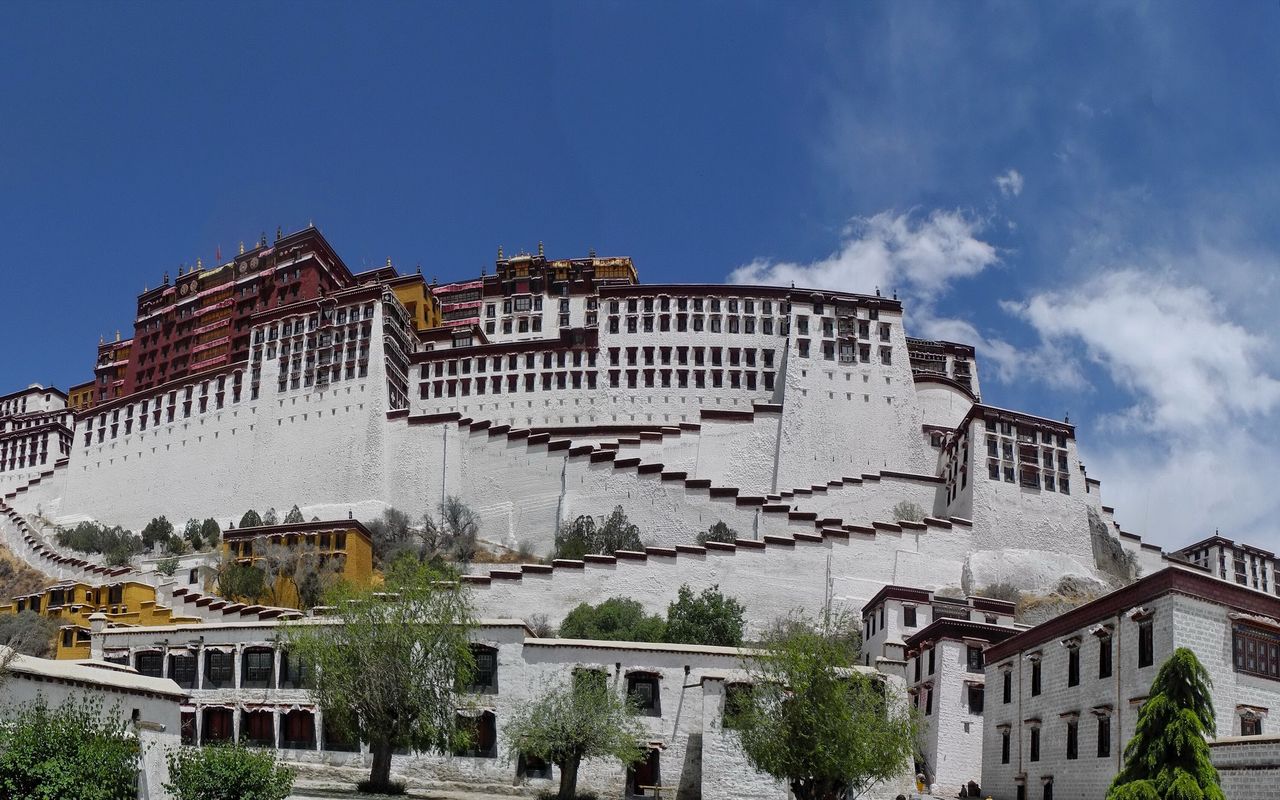
Potala Palace 布达拉宫

Bùdálā Gōng

The towering white-and-red palace of the Dalai Lamas, rising above Lhasa on Red Hill.

Why it matters

The symbol of Tibet — a thousand rooms of chapels, tombs and treasures, and one of the great buildings of the world. A UNESCO World Heritage site.

Good to know

  • Entry is timed and tickets are limited — book through your tour.
  • Lots of steep stairs at altitude — go slow.
  • No photos inside the chapels.

Show to driver: 布达拉宫

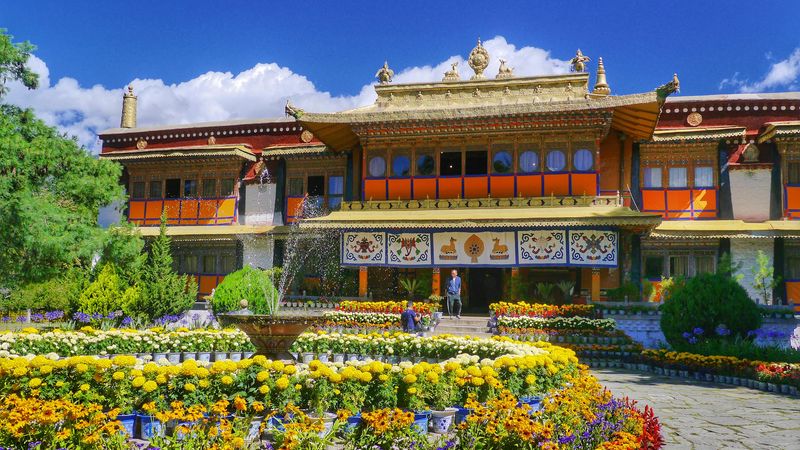
Norbulingka 罗布林卡

Luóbùlínkǎ

The leafy summer palace and gardens of the Dalai Lamas, a UNESCO-listed retreat.

Why it matters

“Jewel Park” — a gentler, greener side of Lhasa where the spiritual leaders escaped the Potala’s formality. Liveliest during the Shoton (yogurt) festival.

Good to know

  • A calm break from the busy temples.
  • Visit during Shoton festival if you can.
  • Combine with the Tibet Museum next door.

Show to driver: 罗布林卡

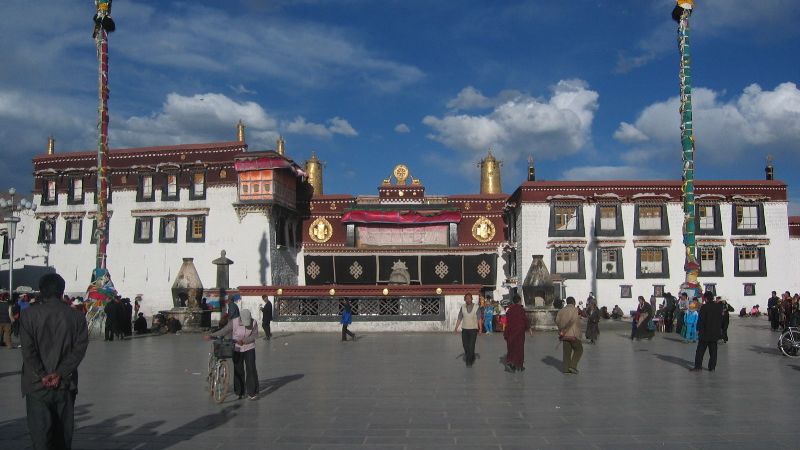
Jokhang Temple 大昭寺

Dàzhāo Sì

The holiest temple in Tibetan Buddhism, ringed day and night by prostrating pilgrims.

Why it matters

The spiritual centre of Tibet, founded in the 7th century — the devotion of the pilgrims circling it is as moving as the golden shrine inside.

Good to know

  • Go early to see the pilgrims.
  • Walk the Barkhor kora clockwise around it.
  • Dress respectfully and ask before photos.

Show to driver: 大昭寺

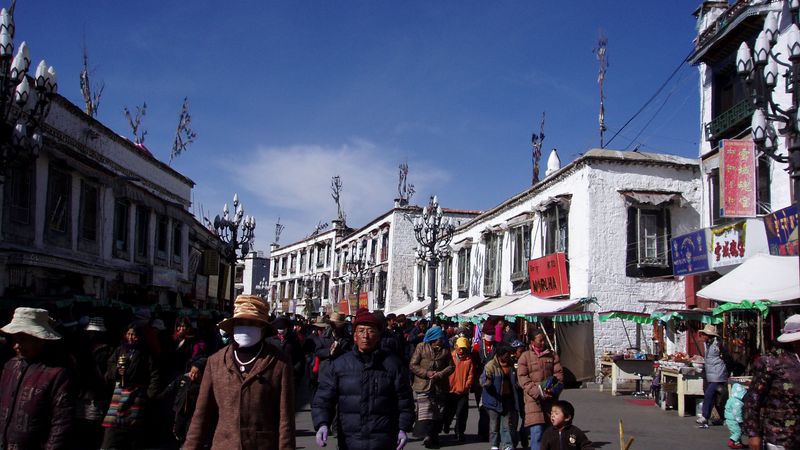
Barkhor Street 八廓街

Bākuò Jiē

The ancient pilgrim circuit and market that loops around the Jokhang Temple.

Why it matters

Both a sacred kora walked by pilgrims and a bustling bazaar of prayer wheels, turquoise and Tibetan crafts — the beating heart of old Lhasa.

Good to know

  • Always walk it clockwise, with the flow.
  • Great for people-watching and souvenirs.
  • Bargain gently.

Show to driver: 八廓街

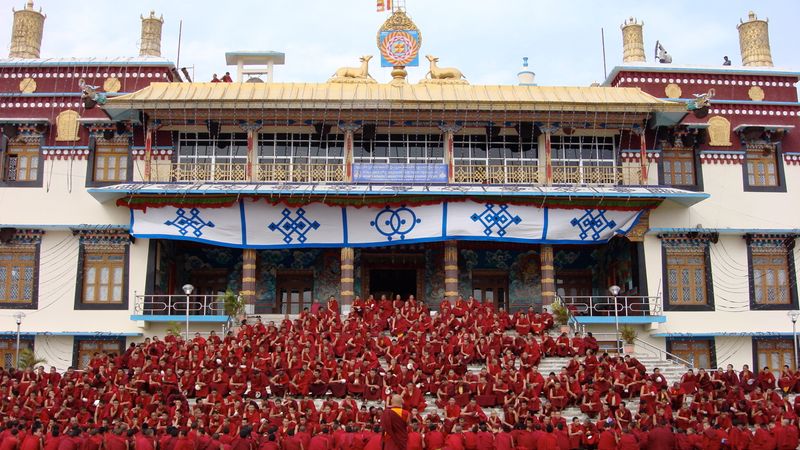
Sera Monastery 色拉寺

Sèlā Sì

A great Gelugpa monastery famous for its afternoon debating monks.

Why it matters

One of Lhasa’s three “great” monasteries — the courtyard debates, where monks clap and argue scripture, are a unique window into Tibetan Buddhist learning.

Good to know

  • Time your visit for the afternoon debates (not Sundays).
  • Watch quietly from the edge.
  • A short ride north of the city.

Show to driver: 色拉寺

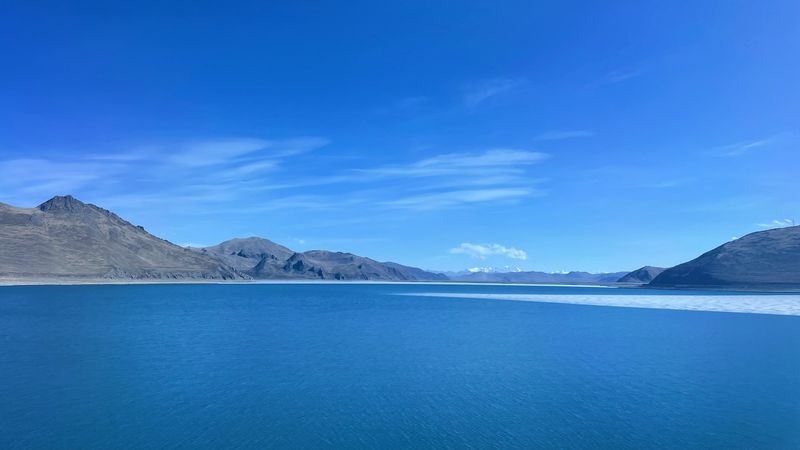
Yamdrok Lake 羊卓雍措

Yángzhuó Yōngcuò

A vivid turquoise sacred lake high in the mountains, a day trip from Lhasa.

Why it matters

One of Tibet’s three holy lakes, its impossibly blue water set against snow peaks — a classic, breathtaking high-plateau landscape.

Good to know

  • A long day trip over a high pass (~4,400 m).
  • Stop at the Kamba La viewpoint.
  • Dress warm; the wind is fierce.

Show to driver: 羊卓雍措

Don't want to go alone? Post on the board and find a travel buddy.

Find a buddy

🍜 Must-eat dishes

What to eat in Lhasa

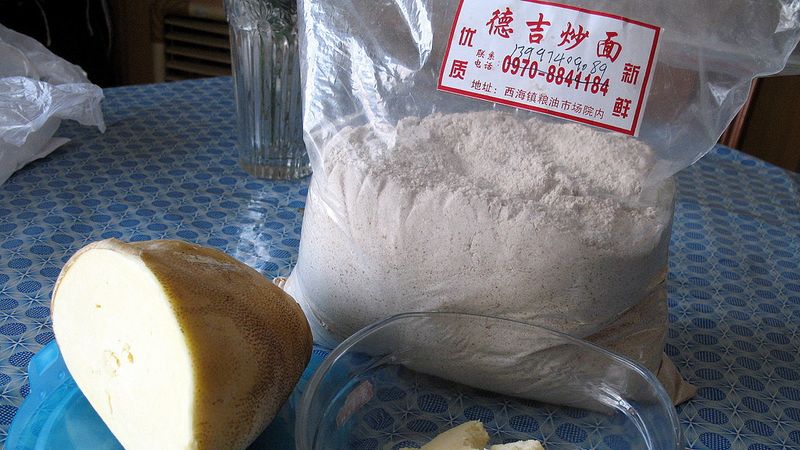
Tsampa 糌粑

Zānbā

Roasted barley flour mixed by hand with butter tea into a dough — the everyday staple of Tibet.

💡Try it the local way, kneaded together with butter tea in a bowl.

Order this: 糌粑

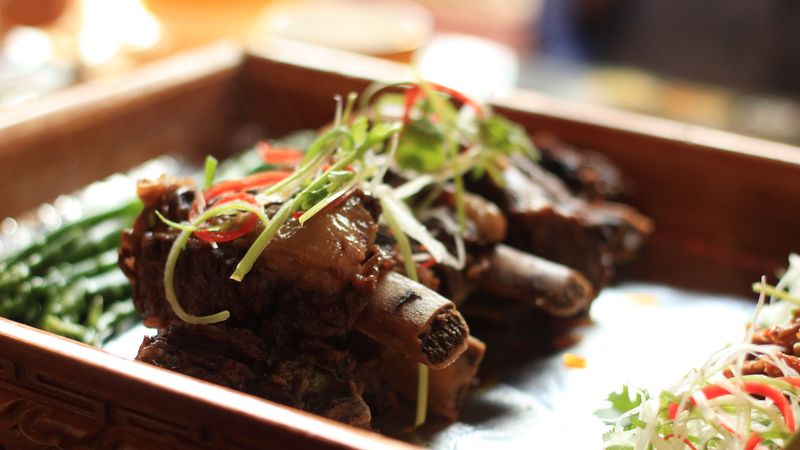
Yak Meat 牦牛肉

Máoniú ròu

Lean, rich highland yak — served stir-fried, in stews, or air-dried as jerky.

💡Air-dried yak jerky makes a great trail snack; the stir-fries are milder.

Order this: 牦牛肉

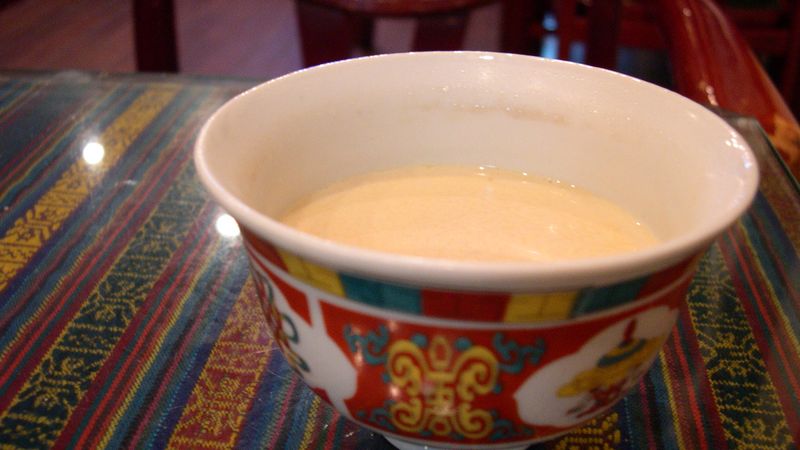
Butter Tea 酥油茶

Sūyóu chá

Tea churned with yak butter and salt into a warm, savory, energy-rich drink.

💡An acquired taste, but it really helps with the cold and altitude; sweet tea is the milder alternative.

Order this: 酥油茶

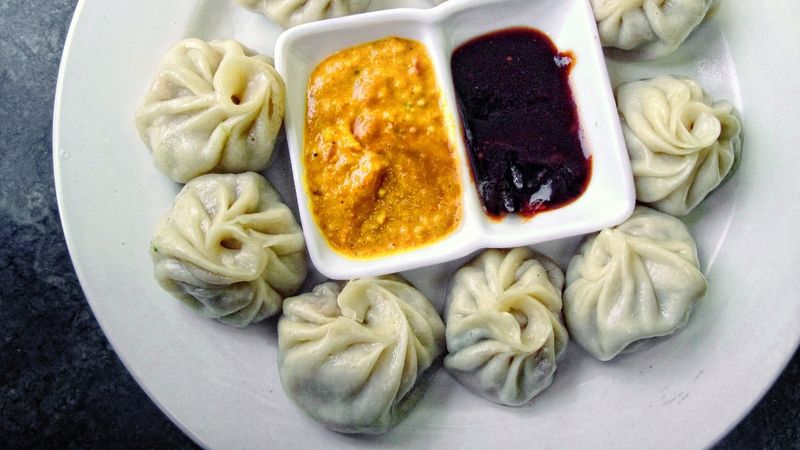
Tibetan Momo 藏式包子

Zàngshì bāozi

Steamed or fried dumplings stuffed with yak meat or vegetables.

💡Found in every Lhasa teahouse; great with a bowl of noodle soup.

Order this: 藏式包子

🏛️ Museums

Top museums in Lhasa

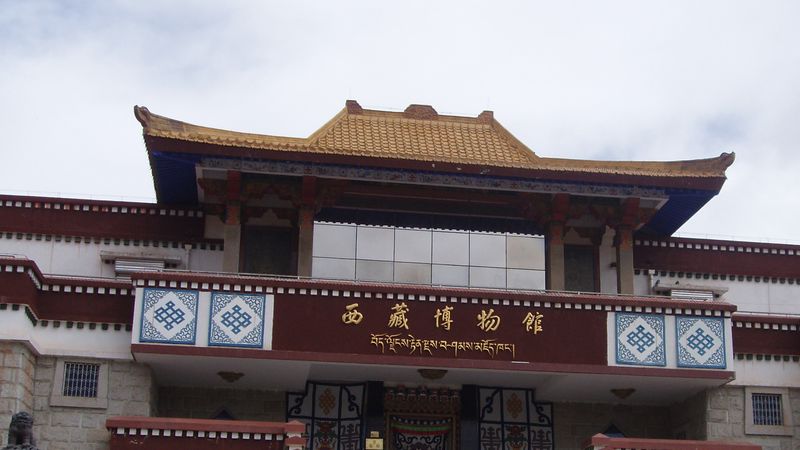
Tibet Museum 西藏博物馆

Free

Xīzàng Bówùguǎn

A modern museum next to Norbulingka introducing Tibetan history, Buddhist art, thangka paintings and folk culture.

💡Free; a good, gentle indoor stop while acclimatizing to the altitude.

Search this: 西藏博物馆

Questions about Lhasa?

Ask our AI assistant, or get real tips from a local.