Getting around
One of China’s biggest rail hubs — about 4–5h by high-speed train from Beijing, Shanghai or Guangzhou, with a large metro. The Yangtze ferry between Wuchang and Hankou is the most scenic ¥1.5 you’ll spend.
Updated Jun 2026Three historic towns — Wuchang, Hankou and Hanyang — fused where the Han River meets the Yangtze: the Yellow Crane Tower of Tang poetry, old treaty-port streets, China’s largest city lake, and a breakfast culture (过早) so serious it’s a verb.
One of China’s biggest rail hubs — about 4–5h by high-speed train from Beijing, Shanghai or Guangzhou, with a large metro. The Yangtze ferry between Wuchang and Hankou is the most scenic ¥1.5 you’ll spend.
Updated Jun 2026Big-city coverage everywhere; all the usual apps work. Metro and ferries take Alipay/WeChat transport codes.
Updated Jun 2026Hankou around Jianghan Road puts you in the old treaty-port streets; Wuchang near the Yellow Crane Tower and Hubu Alley suits sightseeing; East Lake is the green escape.
Updated Jun 2026Breakfast is the main event: sesame hot dry noodles (reganmian), three-delicacy rice skins (doupi), and fried dough with soy milk — then spicy braised duck necks by night. Eat where the queue is.
Updated Jun 2026Wuhan people are famously direct and loud — it reads as warmth, not anger. The city is proud of its 1911 revolutionary history; the Wuchang Uprising ended imperial China.
Updated Jun 2026Very safe. The real hazard is summer: Wuhan is one of China’s “furnace” cities — hydrate, plan indoor middays in July–August.
Updated Jun 2026Three towns at the meeting of the Han and Yangtze rivers, Wuhan has been central China’s crossroads for millennia.
223 AD
A watchtower on Snake Hill becomes the first Yellow Crane Tower.
1861
Hankou opens as a treaty port; five foreign concessions rise on the riverbank.
1911
The Wuchang Uprising begins here, toppling two thousand years of imperial rule.
1957
The first bridge across the Yangtze links the three towns into one metropolis.
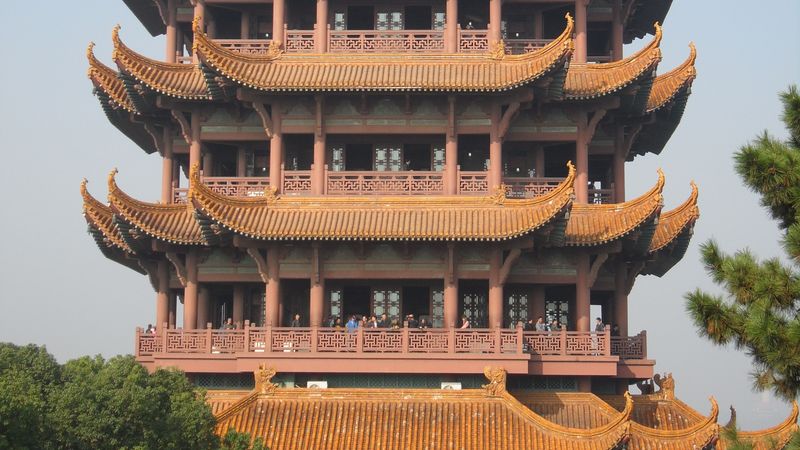
Huánghè Lóu
The legendary tower above the Yangtze, sung by Tang poets for 1,200 years and rebuilt as Wuhan’s symbol.
Why it matters
Every Chinese schoolchild knows the poems written here — Cui Hao’s verses were so good Li Bai supposedly refused to add his own. The tower you climb is a 1985 rebuild, but the view it frames — the Yangtze and the first bridge across it — is the original point.
Good to know
Show to driver: 黄鹤楼
Dōnghú
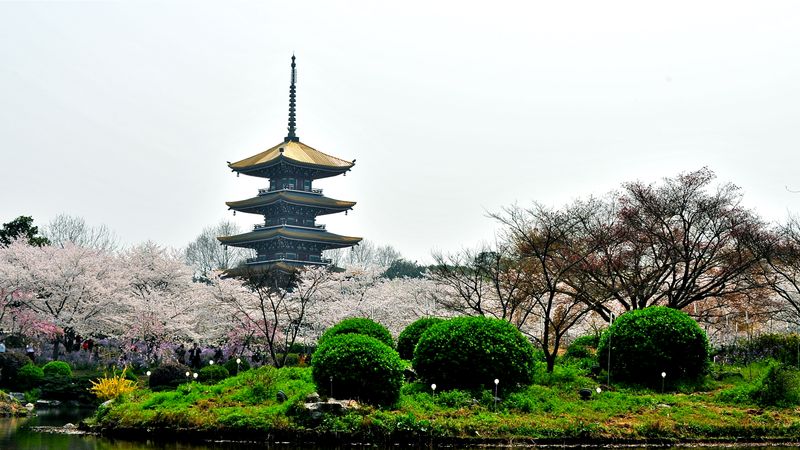
China’s largest lake inside a city, ringed by a 100-km car-free greenway of gardens and hills.
Why it matters
Six West Lakes would fit inside it, yet foreigners barely know it. Rent a bike and ride the greenway between water and woods — in spring, Moshan hill turns into one of China’s best cherry-blossom gardens.
Good to know
Show to driver: 东湖
Guīyuán Sì
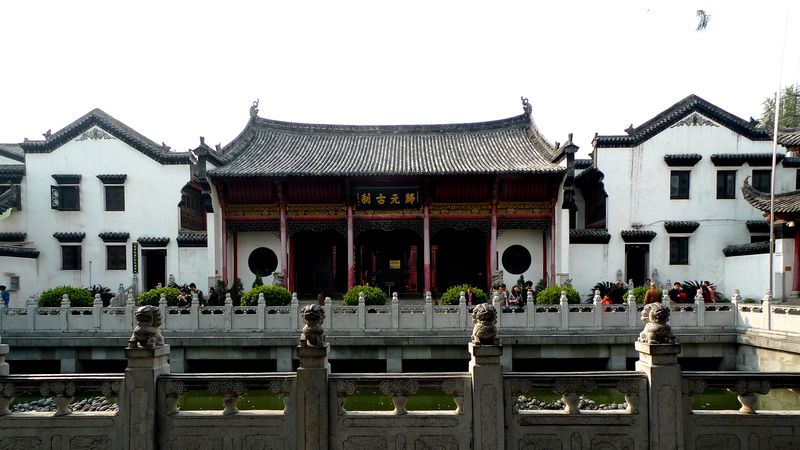
A 350-year-old Buddhist monastery in Hanyang famous for its hall of 500 gilded arhat statues.
Why it matters
The local tradition: pick any arhat, count forward by your age, and the statue you land on hints at your year ahead — Wuhan families have done it for generations, especially at New Year. Each of the 500 clay figures has a different face and mood.
Good to know
Show to driver: 归元寺
Hùbù Xiàng
Wuhan’s famous breakfast alley at the foot of the Yellow Crane Tower — the shrine of “guozao” breakfast culture.
Why it matters
In Wuhan, breakfast (过早, guòzǎo) is an institution: hot dry noodles, doupi rice skins, fried dough, soy milk — eaten standing, walking, or perched on stools. Touristy? Yes. Still the easiest crash course in the city’s food identity.
Good to know
Show to driver: 户部巷
Wǔhàn Chángjiāng Dàqiáo
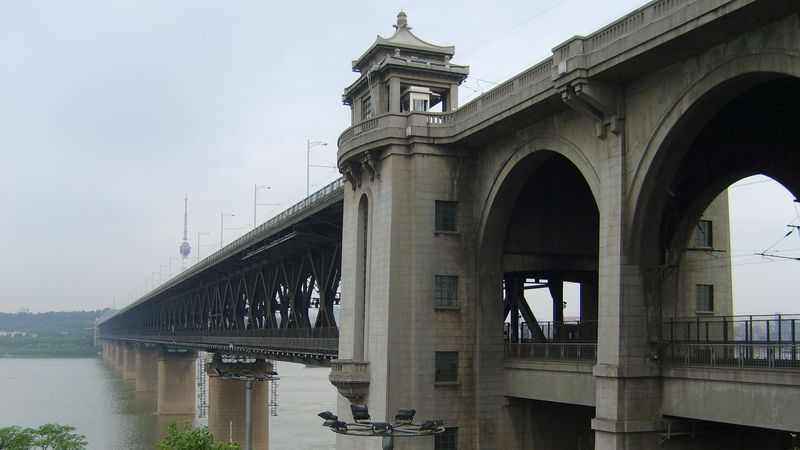
The 1957 “First Bridge over the Ten-Thousand-Li Yangtze” — road above, trains below, pedestrians welcome.
Why it matters
Before it, crossing China’s greatest river here meant ferries; the whole country celebrated its opening. Walking its upper deck as trains rumble underneath, with the Yellow Crane Tower behind you, is peak Wuhan.
Good to know
Show to driver: 武汉长江大桥
Hànkǒu Jiāngtān
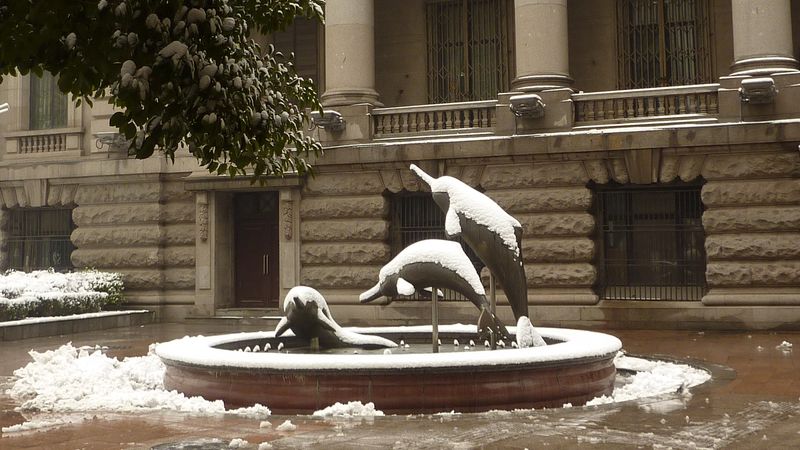
Treaty-port-era banks and consulates along the Hankou riverside — Wuhan’s answer to Shanghai’s Bund.
Why it matters
Opened to foreign trade in 1861, Hankou grew five foreign concessions whose European facades still line Yanjiang Avenue, anchored by the Jianghan Customs House clock tower. The riverside park in front is where the whole city strolls on summer evenings.
Good to know
Show to driver: 汉口江滩老租界
Don't want to go alone? Post on the board and find a travel buddy.
Find a buddyWhat to eat in Wuhan
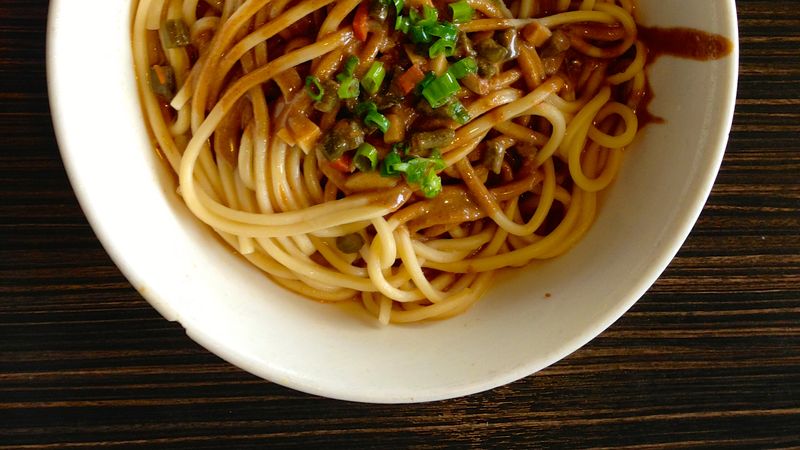
Règānmiàn
Springy alkaline noodles tossed dry with sesame paste, pickles, chili oil and scallions — Wuhan’s breakfast religion.
💡Eaten fast and standing as part of 过早 (guòzǎo) breakfast culture; mix hard before the sauce sets.
Order this: 热干面
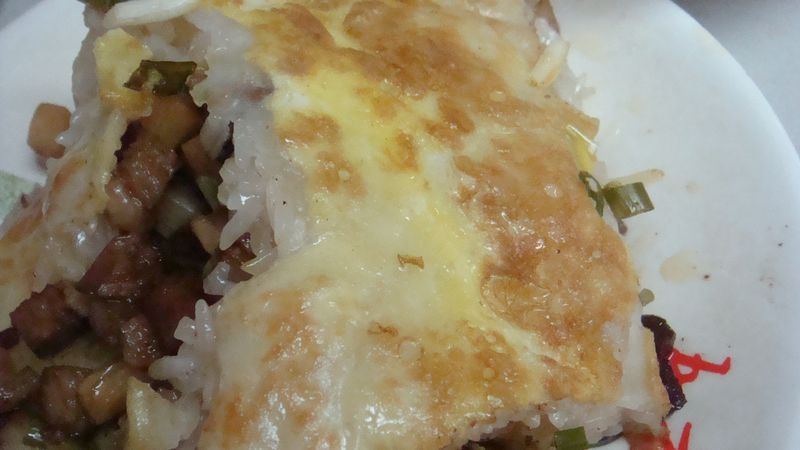
Sānxiān dòupí
A pan-fried square of egg-and-bean skin over sticky rice, studded with pork, mushrooms and bamboo shoots.
💡A Wuhan breakfast classic — crisp bottom, gooey rice; Lao Tongcheng is the famous maker.
Order this: 三鲜豆皮
Jīngwǔ yābó
Braised duck necks in a numbing-spicy master stock — Wuhan’s favorite beer snack, gnawed bone by bone.
💡Sold vacuum-packed everywhere; fresh from a Jingwu Road shop is best. Great with cold beer, messy by design.
Order this: 精武鸭脖
Top museums in Wuhan
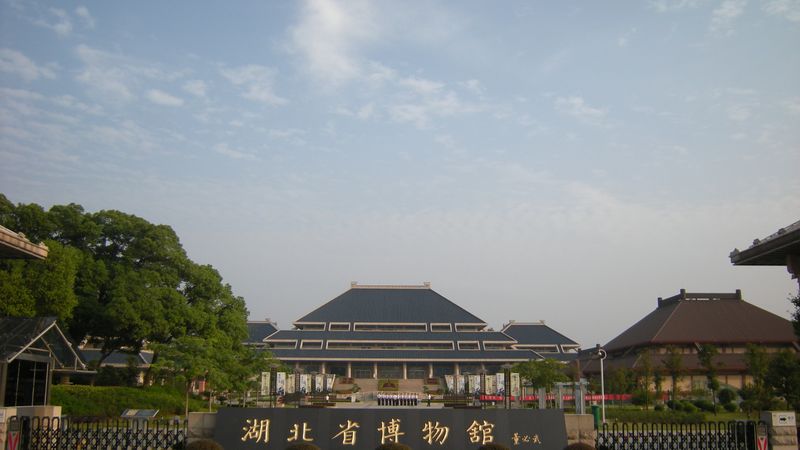
Húběi Shěng Bówùguǎn
Home of the 2,400-year-old Bianzhong bells of Marquis Yi — a 65-piece bronze chime set still in playable tune — and the un-rusted Sword of Goujian.
💡Free with passport booking; time your visit to the daily bell-music performance and don't miss the sword.
Search this: 湖北省博物馆
Ask our AI assistant, or get real tips from a local.