Getting around
Most visitors arrive from Lhasa by road (about 5–6 hours) on an organized tour with a guide and driver — the same permit system applies. From here the road continues to Everest Base Camp and the Nepal border.
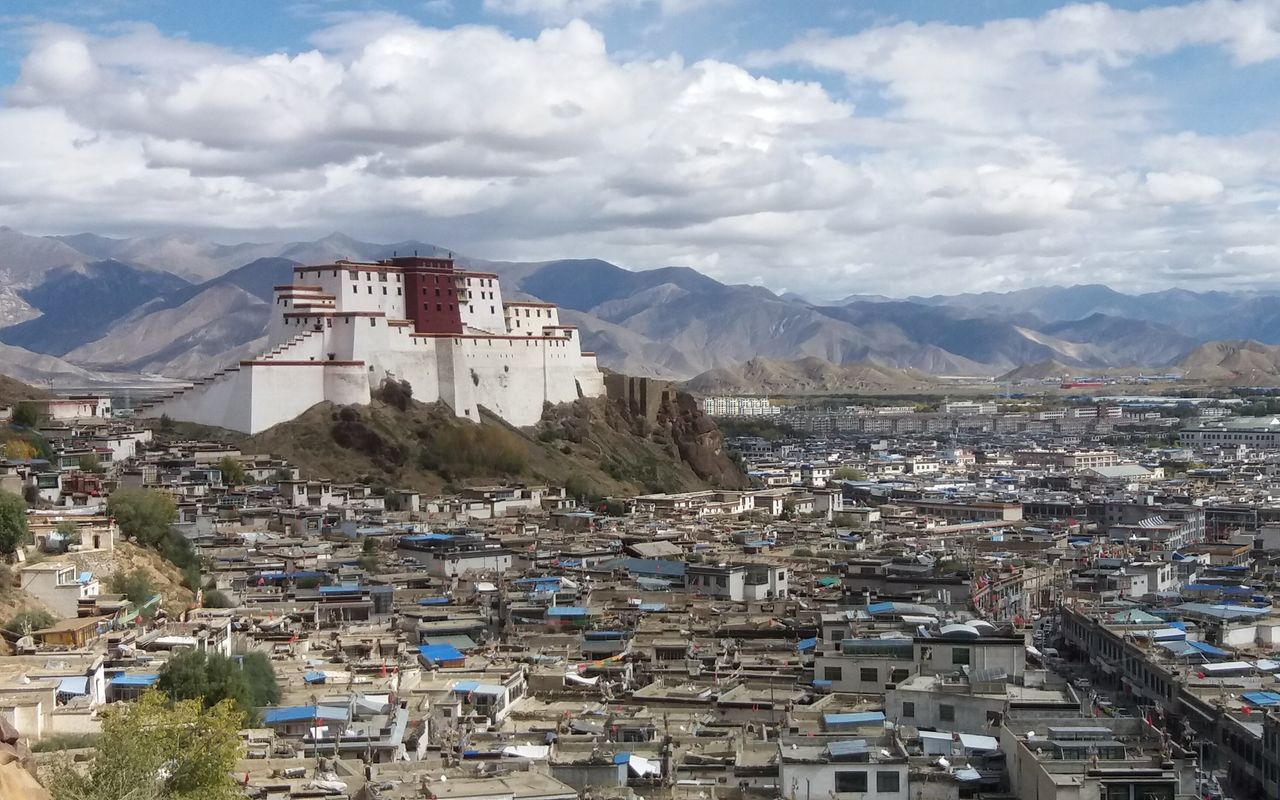
Updated Apr 2026The traditional seat of the Panchen Lama at 3,840 m — home to the great Tashilhunpo Monastery and the gateway to Everest Base Camp and the high Himalaya.
Most visitors arrive from Lhasa by road (about 5–6 hours) on an organized tour with a guide and driver — the same permit system applies. From here the road continues to Everest Base Camp and the Nepal border.
Updated Apr 2026Coverage is decent in town and weak on the high mountain roads. Get a local SIM and download offline maps for the Everest route.
Updated Apr 2026Stay near Tashilhunpo Monastery in the old town. For Everest, you overnight in basic guesthouses or tents at Rongbuk — book through your tour.
Updated Apr 2026Tibetan staples — tsampa, yak meat, butter and sweet tea, and Tibetan noodles. Eat lightly and drink lots of water at this altitude.
Updated Apr 2026Walk clockwise around temples and stupas, remove hats inside chapels, and always ask before photographing monks or pilgrims.
Updated Apr 2026Altitude is the main risk — at nearly 3,900 m (and far higher toward Everest), acclimatize, avoid alcohol, and descend if you feel seriously unwell.
Updated Apr 2026Tibet’s second city grew around a great monastery and the seat of the Panchen Lamas.
1447
Tashilhunpo Monastery is founded; the town grows around it.
16th c.–
Becomes the traditional seat of the Panchen Lamas.
Centuries
A trading town on the routes to Nepal and India.
Today
The gateway to Everest and the high Himalaya.
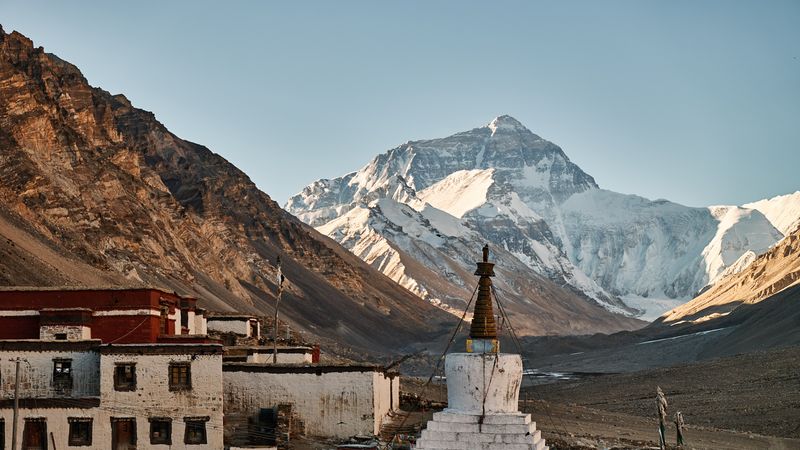
Zhūfēng Dàběnyíng
The Tibetan-side base camp gazing up at the north face of the world’s highest mountain.
Why it matters
Standing before Everest (Qomolangma) from the Rongbuk valley is a bucket-list moment — the highest monastery on earth sits here too.
Good to know
Show to driver: 珠峰大本营
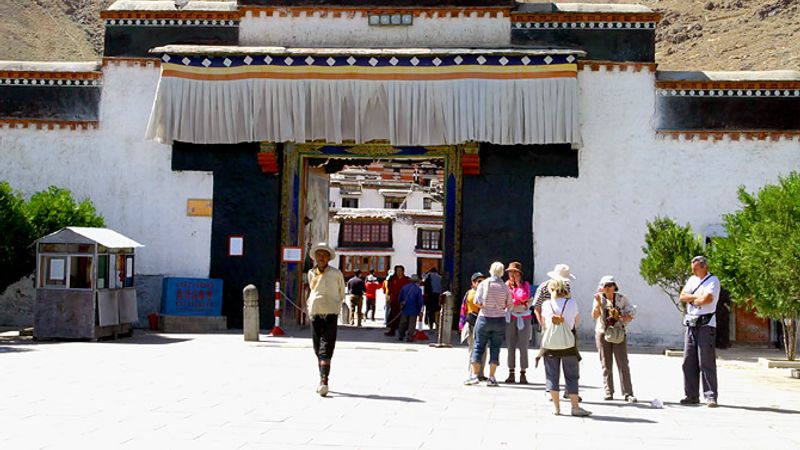
Zhāshílúnbù Sì
The vast, golden-roofed seat of the Panchen Lama, founded in 1447.
Why it matters
One of Tibet’s six great Gelugpa monasteries — home to a giant gilded Maitreya Buddha and the tombs of past Panchen Lamas. A living city of monks.
Good to know
Show to driver: 扎什伦布寺
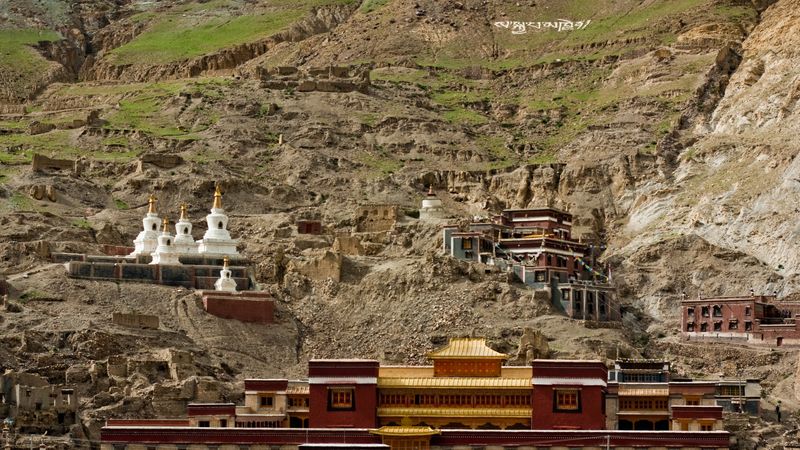
Sàjiā Sì
A fortress-like grey monastery, seat of the Sakya school and a vast library of scriptures.
Why it matters
Its distinctive grey-and-red walls and immense scripture hall — with a recently rediscovered “wall of books” — make it unlike any other Tibetan temple.
Good to know
Show to driver: 萨迦寺
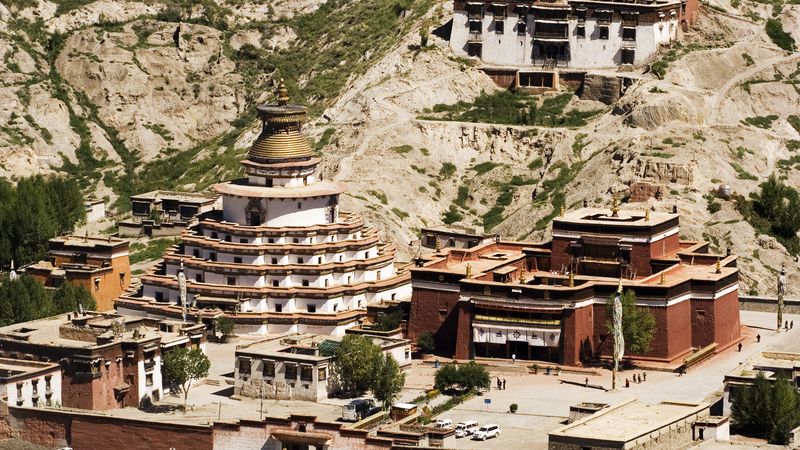
Jiāngzī Báijū Sì
A spectacular tiered stupa of 108 chapels filled with thousands of murals, at Pelkor Monastery.
Why it matters
The Kumbum is the masterpiece of Tibetan stupa architecture — climb its spiralling chapels past a “hundred thousand” painted Buddhas.
Good to know
Show to driver: 江孜白居寺
Don't want to go alone? Post on the board and find a travel buddy.
Find a buddyWhat to eat in Shigatse
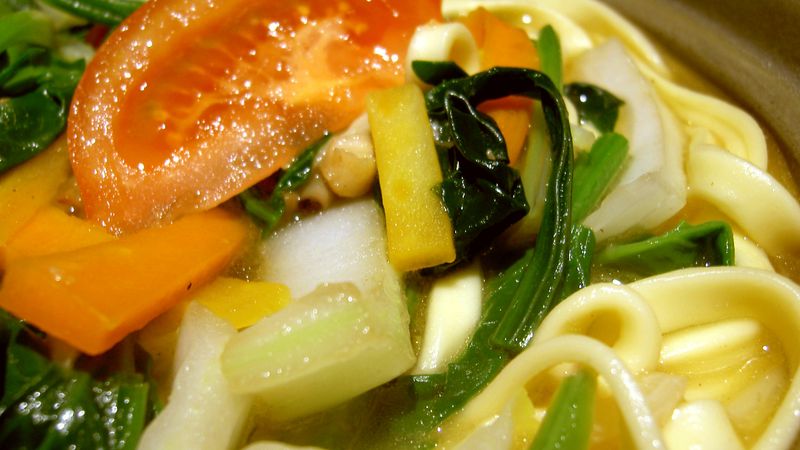
Zàngmiàn
Springy noodles in a light yak-bone broth with bits of yak meat — a simple Tibetan staple.
💡A warming, easy meal at altitude; add the chili and pour the broth as you like.
Order this: 藏面
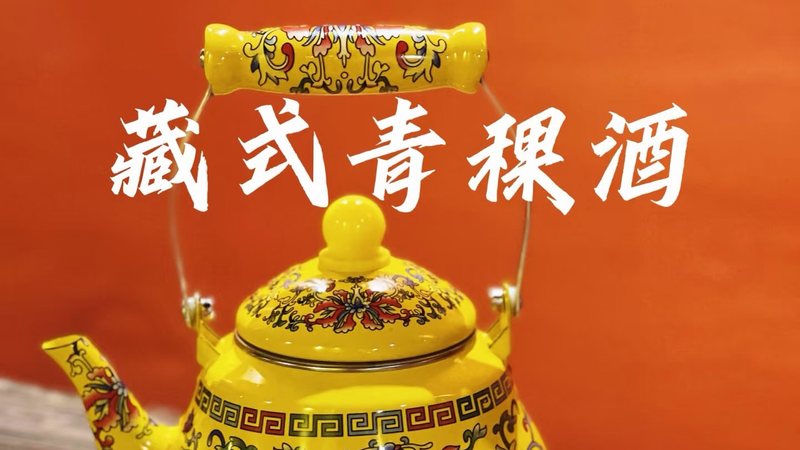
Qīngkē jiǔ
A mild, slightly sour home-brewed beer made from highland barley — Tibet’s festive drink.
💡Offered at celebrations; sip politely, and go easy at altitude.
Order this: 青稞酒
Ask our AI assistant, or get real tips from a local.