Grasslands, temples and the spirit of the Mongolian steppe.
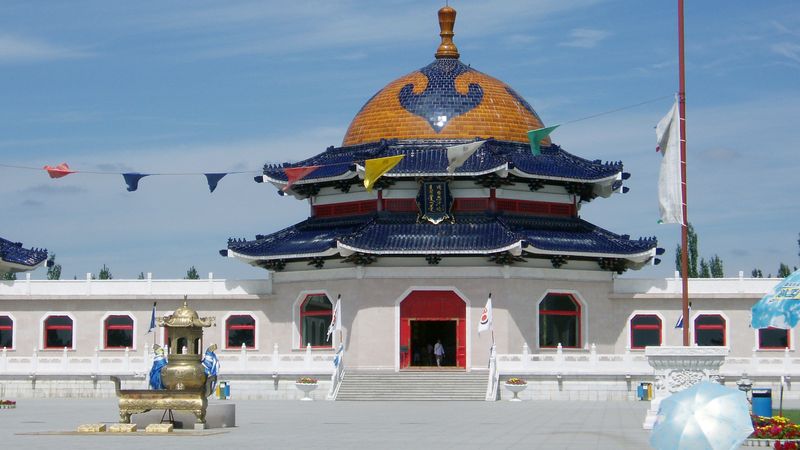
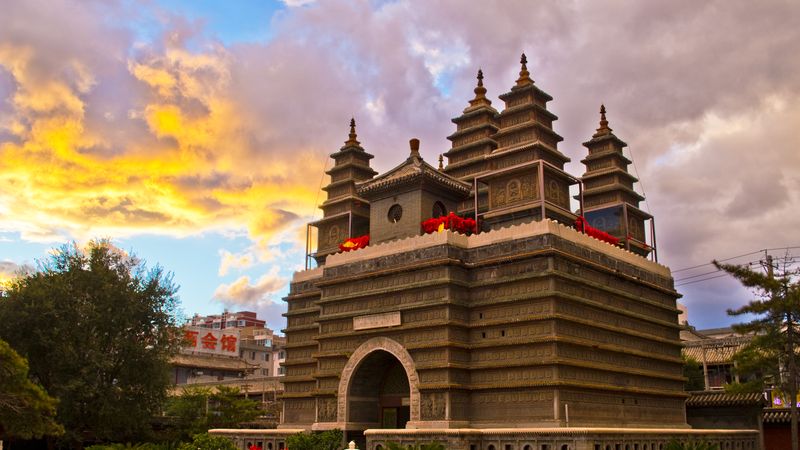
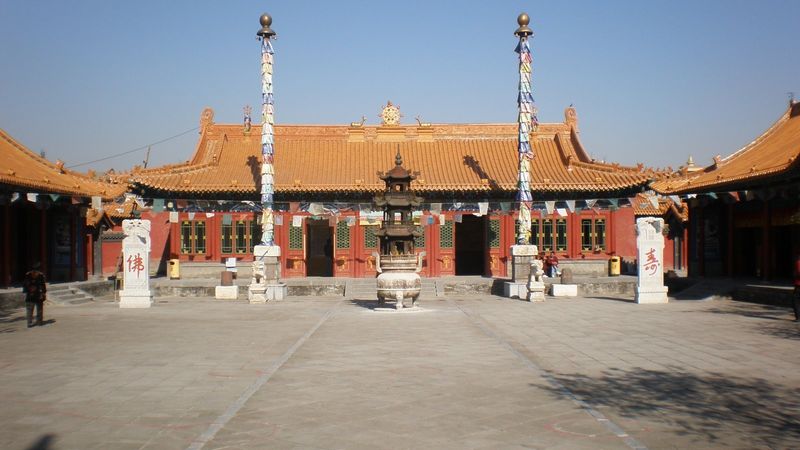
The capital of Inner Mongolia — Tibetan-Buddhist temples and Mongolian heritage in the city, with vast grasslands, deserts and horse culture just a short drive away.
⏱️ First 24 hours
Set up Alipay or WeChat Pay and add a foreign card.
Buy a local SIM or activate an eSIM.
Plan a grassland or desert day trip — they’re the main draw and need a half/full day.
Save a hospital contact and your hotel address in Chinese.
Explore the guide
Getting around
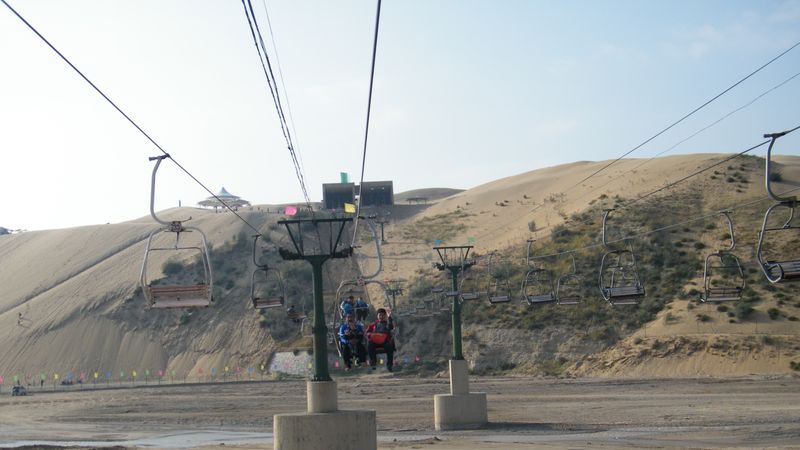
Hohhot has an airport and high-speed rail (about 2 hours from Beijing). The grasslands (Xilamuren, Gegentala) and the Kubuqi/Resonant Sand desert are 1–2 hours out by car or tour — the easiest way is a day tour or hired driver.
Updated Apr 2026
Connectivity
Good coverage in the city; weaker on the open grassland. A local SIM is best for day trips out of town.
Updated Apr 2026
Where to stay
Base in the city for transit and food; for the full experience, spend a night in a grassland yurt (ger) camp in summer.
Updated Apr 2026
Eat & drink
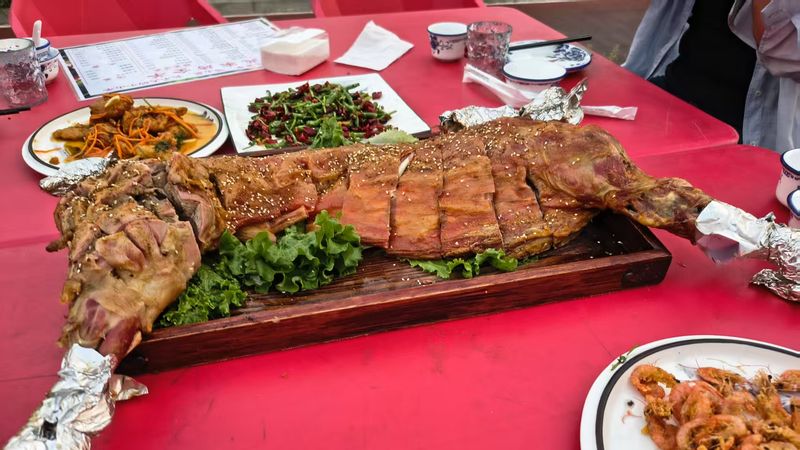
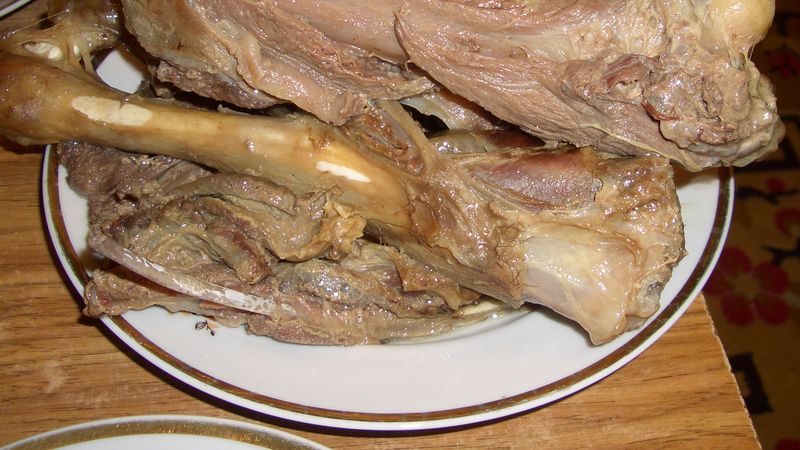
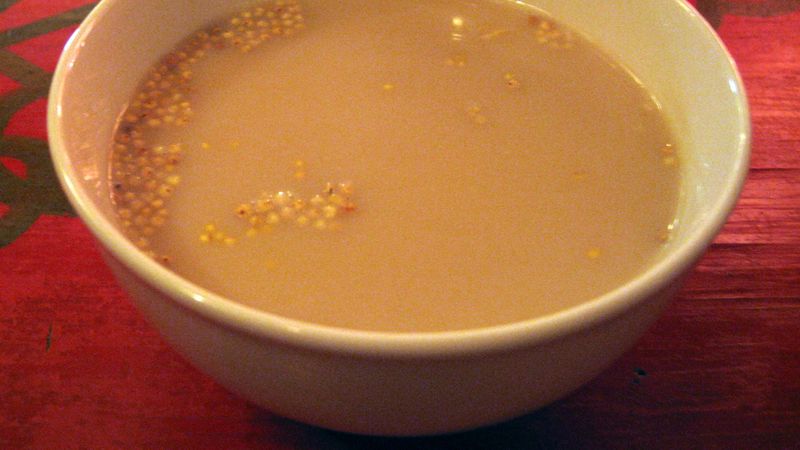
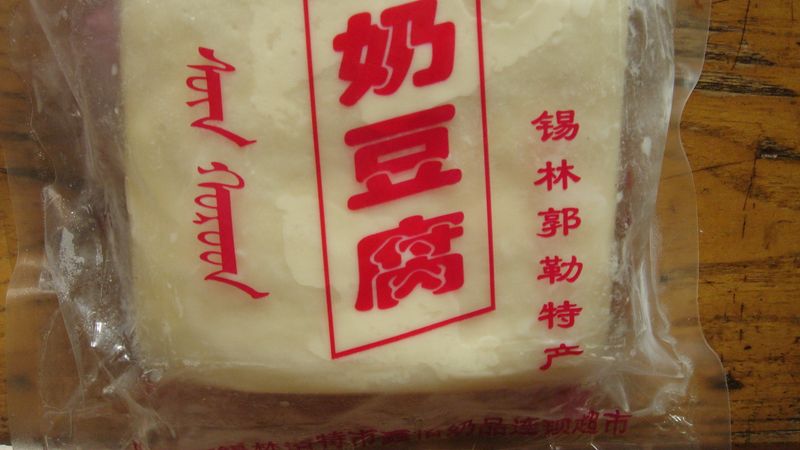
Mongolian food is meat and dairy: roast whole lamb, hand-grabbed mutton (手把肉), milk tea (咸奶茶) and dairy snacks, plus a copper-pot mutton hotpot.
Updated Apr 2026
Etiquette
On the grassland, accept offered milk tea or airag with both hands; a host may greet you with a hada (blue silk scarf). Ask before entering a family’s ger.
Updated Apr 2026
Safety
Very safe. Summers are short and pleasant, winters bitterly cold; the grassland sun is strong, so bring sun protection and a layer for the evening chill.
Updated Apr 2026
📜 History
The Mongolian “blue city”, Hohhot grew as a steppe center of trade and Tibetan Buddhism.
16th c.
Founded by Altan Khan; its name means “blue city” in Mongolian.
Ming–Qing
Becomes a temple-filled center of Tibetan Buddhism on the steppe.
Qing
A hub on the tea-and-trade road to Mongolia and Russia.
1954
Becomes capital of the Inner Mongolia Autonomous Region.
Top attractions
Mongolian Grasslands 希拉穆仁草原
Xīlāmùrén Cǎoyuán
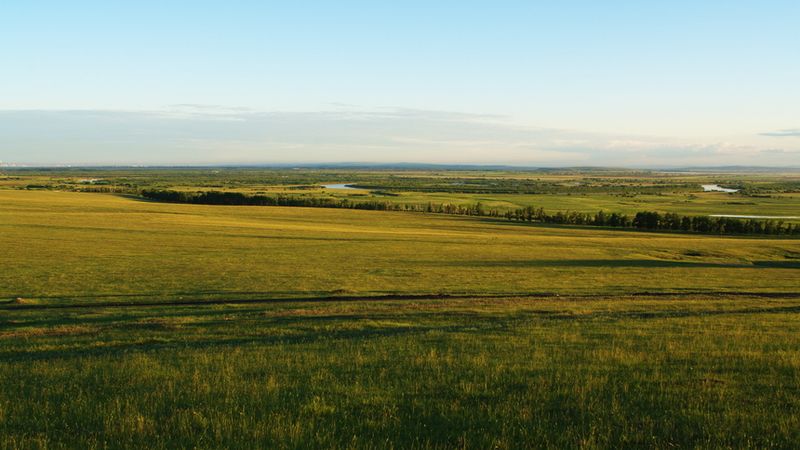
Endless green steppe dotted with yurts, horses and grazing sheep, a short drive from the city.
Why it matters
The heart of nomadic Mongolian culture — ride a horse, watch wrestling and archery, and sleep in a yurt under huge skies.